🚚 Dry goods ship Australia-wide 🐠 Livestock — buy online, collect in store 🧪 In-store water analysis
Home  /  Coral Range  /  Goniopora
Goniopora (Goniopora sp.)

Goniopora

Goniopora sp.
Family
Poritidae
Care level
Intermediate
Lighting
Medium
Flow
Medium
Placement
Bottom / sand bed
PAR
60–150
Temperament
Semi-aggressive
Growth form
Flowerpot polyps
Max size
Colony to 30 cm
Diet
Photosynthetic + feeding (needs feeding)

Overview

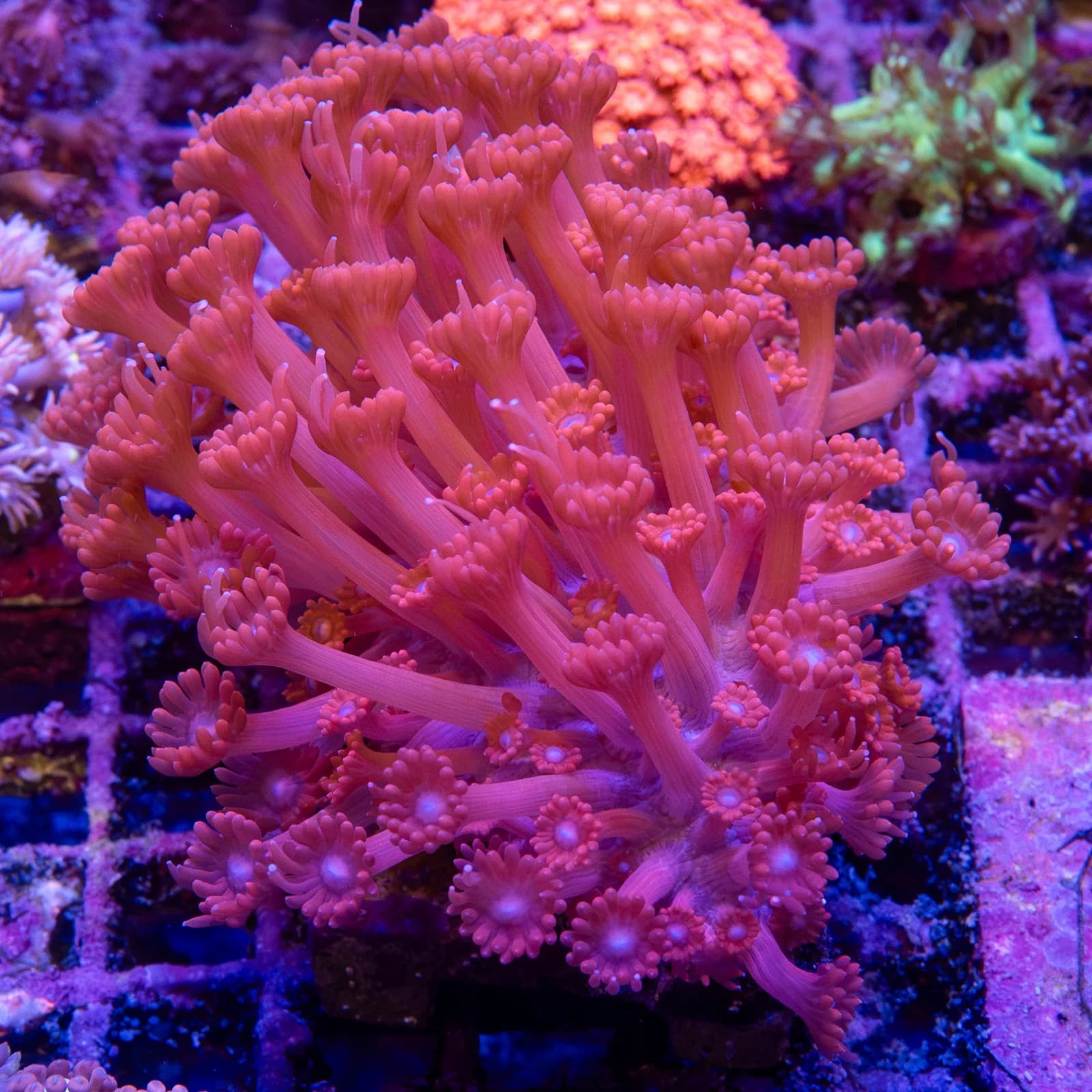
Goniopora is one of the most visually striking LPS corals, with long, densely packed flower-like polyps that sway continuously in current, giving a distinctive daisy-field appearance. Unfortunately it is also one of the most notoriously difficult corals to keep long-term, with a well-known reputation for declining slowly in captivity even in seemingly good conditions.

Colours are typically grey-green, brown or pink with contrasting tentacle tips, and colonies can become an impressive centrepiece when thriving. It's often sold cheaply relative to its difficulty, which can be misleading for newer reefers.

Due to the ongoing challenges with long-term survivability, Goniopora should only be attempted by experienced keepers prepared to commit to a rigorous feeding and stability routine, and should be considered a genuine commitment rather than an impulse buy.

Placement & neighbours

Goniopora is peaceful and has no aggressive sweeper tentacles, so it doesn't pose a stinging risk to neighbours, but its polyps extend widely and shouldn't be crowded by faster-growing corals that could shade or overgrow it.

Best placed on open sand or flat rockwork in the lower-to-mid tank where it has room to extend fully without contact from other corals.

Health & acclimation

Acclimate very slowly and minimise handling, as Goniopora is highly sensitive to stress, transport, and rapid parameter shifts. New colonies commonly show a period of tentacle retraction and reduced extension for 1-2 weeks after introduction; this should slowly improve rather than worsen. Long-term survival is closely tied to stable, mature tank parameters (particularly stable alkalinity and trace elements) and consistent feeding; sudden or progressive tissue recession is unfortunately common even in well-run systems and the underlying cause is not fully understood.

You might also need
Frequently asked questions

Why does Goniopora have such a bad reputation?
Goniopora earned its reputation decades ago, when most specimens were wild-collected deepwater colonies that shipped poorly and rarely lasted more than a few months in captivity, no matter what the keeper did. We now understand the picture was more complex than any single cause. Better collection and the rise of aquacultured stock have made a huge difference, as has a better grasp of the coral's needs: stable parameters, good feeding, and appropriate light and flow. Trace elements are part of that story too. Many keepers find Goniopora responds well to stable levels of certain traces — manganese and iodine are the ones most often credited — and regular ICP testing paired with measured dosing is a sensible way to keep those in range rather than guessing. The short version: the animals available today, kept with modern understanding, are far hardier than the reputation suggests.
Is Goniopora suitable for beginners?
It depends on the Goniopora and on how you define beginner. The aquacultured and Goniopora widely available today are genuinely manageable and are a reasonable choice for someone with a stable, established tank — even if they're relatively new to LPS — provided the parameters are steady and they're willing to feed. Wild deepwater colonies are a different matter and are still best left to experienced keepers. That said, we'd hesitate to call any Goniopora a true starter coral. They reward stability and punish neglect, so they're not ideal for a young or fluctuating system. If you're just getting started, we'd suggest building some confidence with hardier corals first, keeping your alkalinity and salinity rock-steady, and getting into a routine of feeding and occasional ICP testing. Come to it with an established tank and good habits, and a modern aquacultured Goniopora is very achievable — it simply asks for consistency rather than advanced skill.
Why are the polyps shrinking over time?
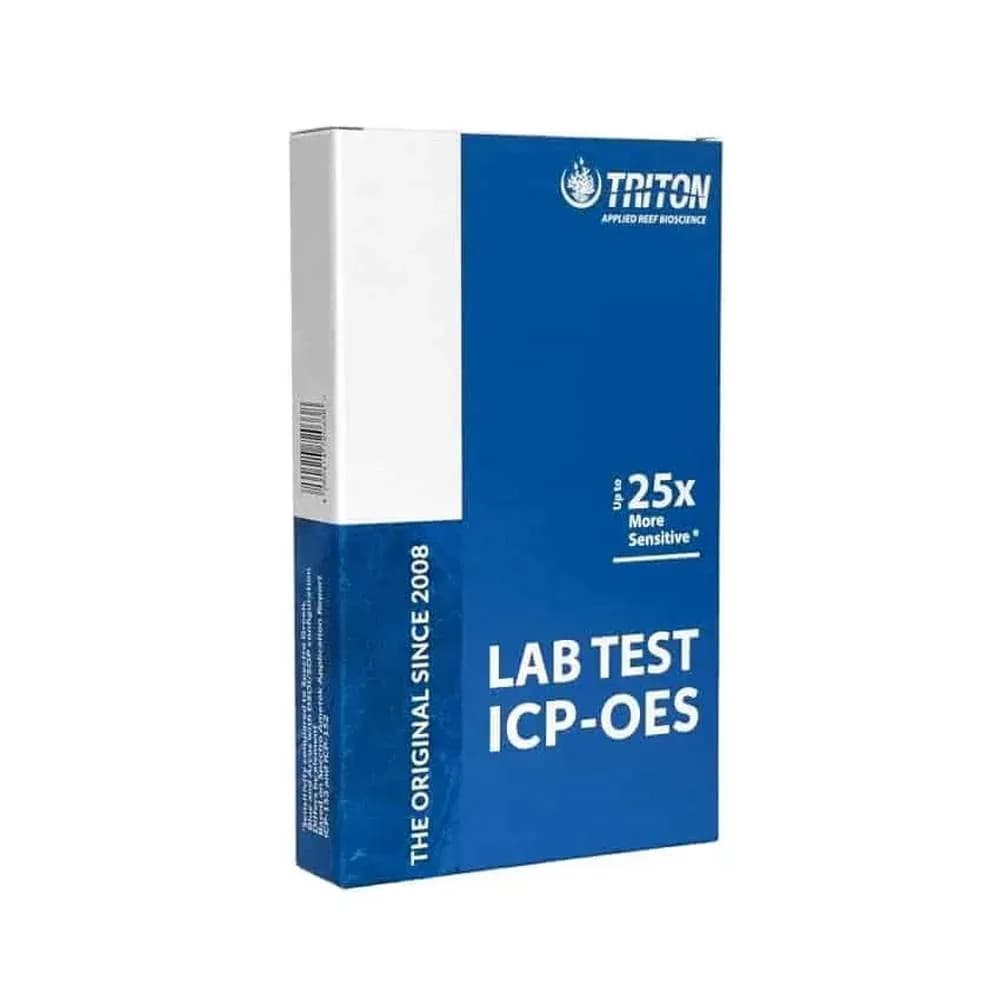
This is often an early warning sign of the water parameters not being where they like them. It's worth double checking the parameters and sending off an ICP Test to ensure the trace elements are at the required levels
Does Goniopora need special flow?
It needs moderate, consistent flow rather than especially strong or weak; sudden changes in flow pattern can add unnecessary stress.

Care guidance is drawn from our own experience — every coral is an individual, so treat it as a starting point, not a guarantee. Not sure if a coral suits your system? Come ask us in store.